
Where to Eat in Verona
Like a Local
A small city with a serious wine culture and cooking you won't find anywhere else in Italy
🗝️ Key fact: Verona produces Amarone della Valpolicella — one of the most powerful and complex red wines in the world, made from dried grapes and aged minimum two years. A bottle of Amarone in Verona costs half what it costs in any other country. Drink it here.
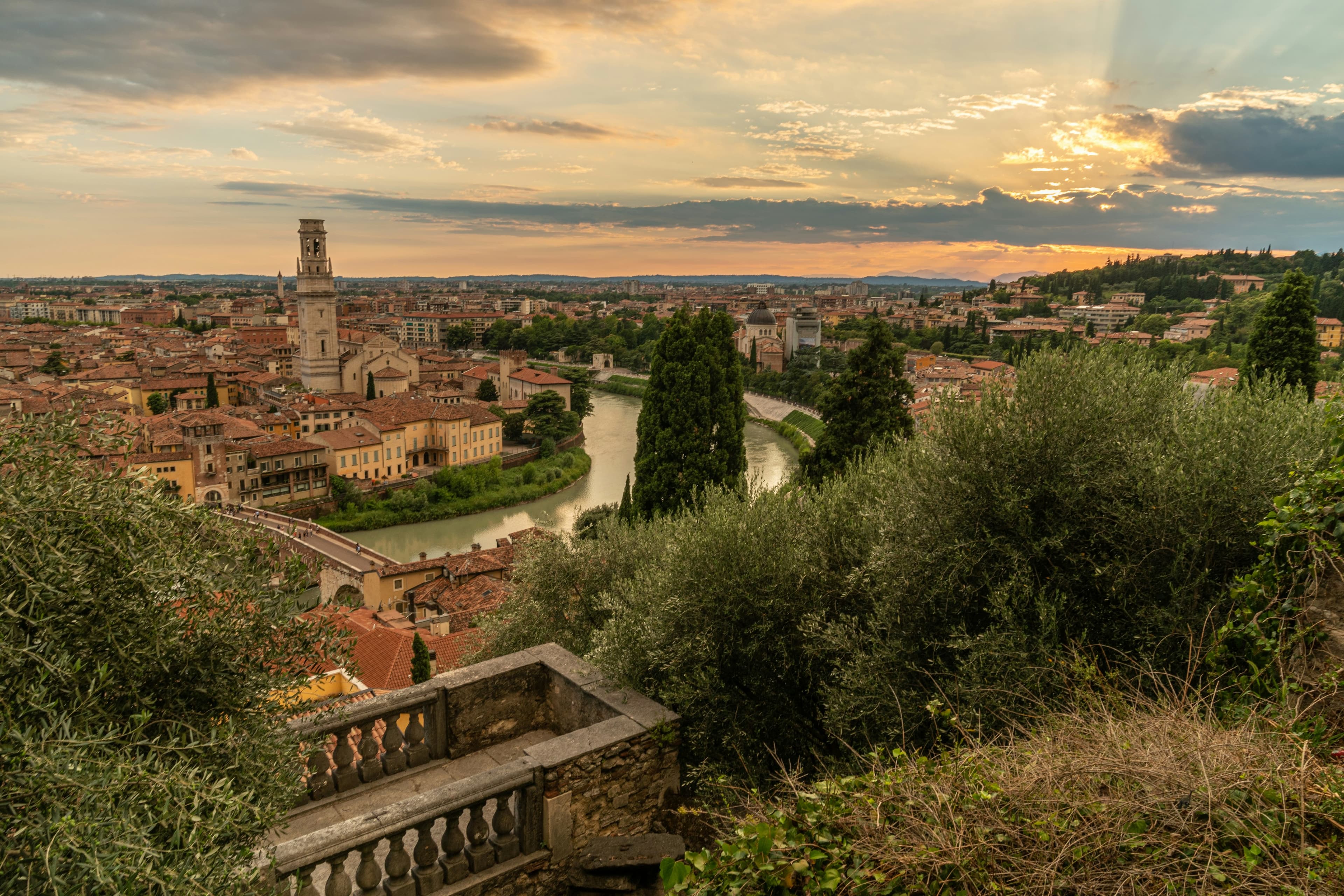
Verona sits at the meeting point of two extraordinary wine regions — Valpolicella (home of Amarone) to the north and Soave to the east — and the city's food culture reflects this proximity. Veronesi eat well, drink seriously, and maintain a small-city intensity about their local cuisine that resists the tourist pressure from the Arena and Juliet's balcony circuit.
Eating in Verona: The Local Rules
Drink Amarone, Valpolicella, and Soave
All three are produced within 30km of Verona. Amarone is aged, complex, and expensive even locally — order it by the glass at a serious enoteca. Valpolicella Superiore is the everyday red. Soave Classico (from the hillside zone) is the white. Order anything else and you're ignoring one of the best wine regions in Europe.
The osteria tradition here is genuine
Verona has maintained its osteria culture more intact than any comparable Italian city — small wine-focused rooms serving traditional local cooking, often with walls covered in bottles, communal seating, and daily handwritten menus. These are not vintage-themed restaurants; they are the continuation of a tradition.
Piazza delle Erbe is for coffee, not lunch
The oldest market square in Verona and one of the most beautiful in Italy. Have coffee here, walk through it twice, and eat lunch two streets away where the prices reflect the food rather than the real estate.
Horse meat is a local tradition, not a scandal
Pastissada de caval (horse stew) and horse carpaccio appear on traditional Veronese menus. This is not a novelty item — horse meat has been eaten here since the Lombard invasions of the 6th century AD. Order it with an open mind in any traditional osteria.
Where to Eat in Verona, By Neighbourhood
The neighbourhood you eat in matters as much as the restaurant you choose. Here's where locals eat — and the specific restaurants we'd book.
Centro Storico (within the Roman walls)
Verona is small enough that the entire historic centre is walkable from any hotel. The osterie and enotece worth visiting are concentrated within the Roman walls — particularly around Via Mazzini, Piazza dei Signori, and the area between Piazza delle Erbe and the river bend.
Bottega Vino
The most serious wine selection in Verona — over 2,500 labels — combined with a kitchen that cooks traditional Veronese dishes at a high level. The wine list is the reason to go, but the pastissada de caval (horse stew braised in Amarone with spices and citrus peel) is one of the most distinctive dishes in Northern Italy. Book ahead for dinner.
Pro tip: Ask the sommelier to select the wine rather than choosing yourself — the list is overwhelming and the staff expertise is genuine.
Osteria del Bugiardo
A Veronese institution — a standing wine bar with small food plates that operates on the Venetian bacaro model. The selection of local wines by the glass is excellent and honestly priced. This is where Veronesi stop between shopping and lunch for a glass and a crostino with Monte Veronese cheese.
Pro tip: Order the crostino with Monte Veronese (local semi-hard cheese) and lardo. This combination, with a glass of Valpolicella, is the definitive Veronese standing lunch.
Trattoria al Pompiere
One of the oldest and most respected traditional restaurants in Verona, with frescoed walls and a menu that reads as a history of Veronese cooking. The pearà (a thick bread and black pepper sauce served alongside braised meats) is found nowhere else in Italy and this kitchen makes the best version. The bigoli in salsa (thick pasta with anchovy and onion) shows the Venetian influence on Veronese cooking.
Pro tip: The pearà sauce needs to be ordered alongside the bollito misto or the pastissada — it makes no sense as a standalone dish.
Piazza delle Erbe & surrounds
The oldest continually operating market square in Italy, surrounded by medieval and Renaissance buildings. Verona's main market has occupied this space since Roman times — it was the forum. The surrounding streets have some of the best bars and aperitivo spots in the city.
Enoteca Can Grande
An enoteca with serious local wine credentials operating in a medieval building near Piazza dei Signori. The focus is Veronese and Venetian wine — Amarone, Valpolicella, Soave, Custoza — paired with local cheeses and cured meats. The Soave Classico from the hillside producers here is completely different from the generic Soave sold internationally.
Pro tip: Ask for the Soave Classico specifically — the hillside Classico zone produces significantly more complex wine than the extended DOC appellation.
Must-Try Dishes in Verona
The dishes that define this city's food identity — and where to find the best version of each.
Pastissada de Caval
Horse meat braised slowly in Amarone wine with spices, citrus peel, and herbs — a dish with documented origins in the 5th century AD Ostrogoth invasions of northern Italy. The result is sweet-savoury, deeply complex, and unlike any other braised meat in Italian cooking.
Bottega Vino or Trattoria al Pompiere — both versions are excellent
Pearà
A thick sauce made from bone marrow, stale bread, black pepper, and beef broth — cooked for hours until it becomes an intensely flavoured paste served alongside boiled meats or braised dishes. The most locally specific food in Verona, found nowhere else in Italy.
Trattoria al Pompiere — the best version in the city
Risotto all'Amarone
Risotto cooked with Amarone della Valpolicella — the rice turns deep purple-red and absorbs the wine's dried fruit depth and warmth. Rich, structured, and a dish that exists because Verona produces one of the world's great wines 20km from its centre.
Bottega Vino or any serious trattoria — ask if the Amarone used is local
Pandoro
The star-shaped sweet bread from Verona that rivals Milan's panettone — lighter and richer, with no dried fruit, dusted in vanilla icing sugar. Made correctly only between November and January, from the Melegatti and Bauli bakeries that invented the modern version.
Any Veronese bakery in season — Pasticceria Flego near Piazza Brà for the artisan version year-round
Amarone della Valpolicella
Made from Corvina, Corvinone, and Molinara grapes dried for 90–120 days to concentrate their sugars, then fermented dry and aged minimum two years. The result is 15–17% alcohol, enormous structure, and flavours of dried cherry, dark chocolate, and tobacco. One of Italy's greatest wines.
Bottega Vino by the glass — they pour eight Amarone producers simultaneously
Best Markets in Verona
Piazza delle Erbe
Daily (reduced on Sunday)
The oldest market square in Verona, operating continuously since Roman times. Today it sells souvenirs alongside fruit and vegetable stalls — go for the atmosphere and the medieval buildings surrounding it rather than for serious food shopping.
Mercato di Piazza Isolo
Wed and Sat 8am–1pm
The local neighbourhood market where Veronesi actually shop for food. Seasonal produce, local farmers, and a fish stall supplied directly from the Adriatic coast. The correct market for food shopping in Verona.
The Food Tour We'd Actually Recommend
Verona: Wine Tasting with Snacks and Panoramic Views
From $55/person
This $55 GetYourGuide experience focuses on Verona’s liquid gold—Amarone and Valpolicella—paired with traditional snacks and panoramic views. Walking through Piazza delle Erbe with an expert adds vital context to the local viticulture. A sophisticated way to spend an afternoon for a very reasonable price.
Affiliate link — no extra cost to you
Tourist Traps to Avoid in Verona
The restaurants immediately adjacent to the Arena di Verona — the proximity to the amphitheatre adds 40% to every price on the menu.
Any restaurant in Piazza delle Erbe with outdoor seating and a 'tourist menu' sign — eating in the square is expensive and the food quality is inversely proportional to the location premium.
Bars selling Valpolicella wine in bottles without estate names — generic Valpolicella can be disappointing. Order from named producers (Allegrini, Dal Forno, Quintarelli) or ask for recommendations.