
Where to Eat in Bologna
Like a Local
La Grassa — the Fat One. Bologna's nickname is not a criticism.
🗝️ Key fact: The Bolognese ragù registered with the Italian Academy of Cuisine contains beef, pancetta, onion, carrot, celery, tomato paste, white wine, whole milk, and absolutely no minced meat, garlic, or herbs. It has been registered since 1982. Anything else served as 'Bolognese' in Bologna is incorrect.
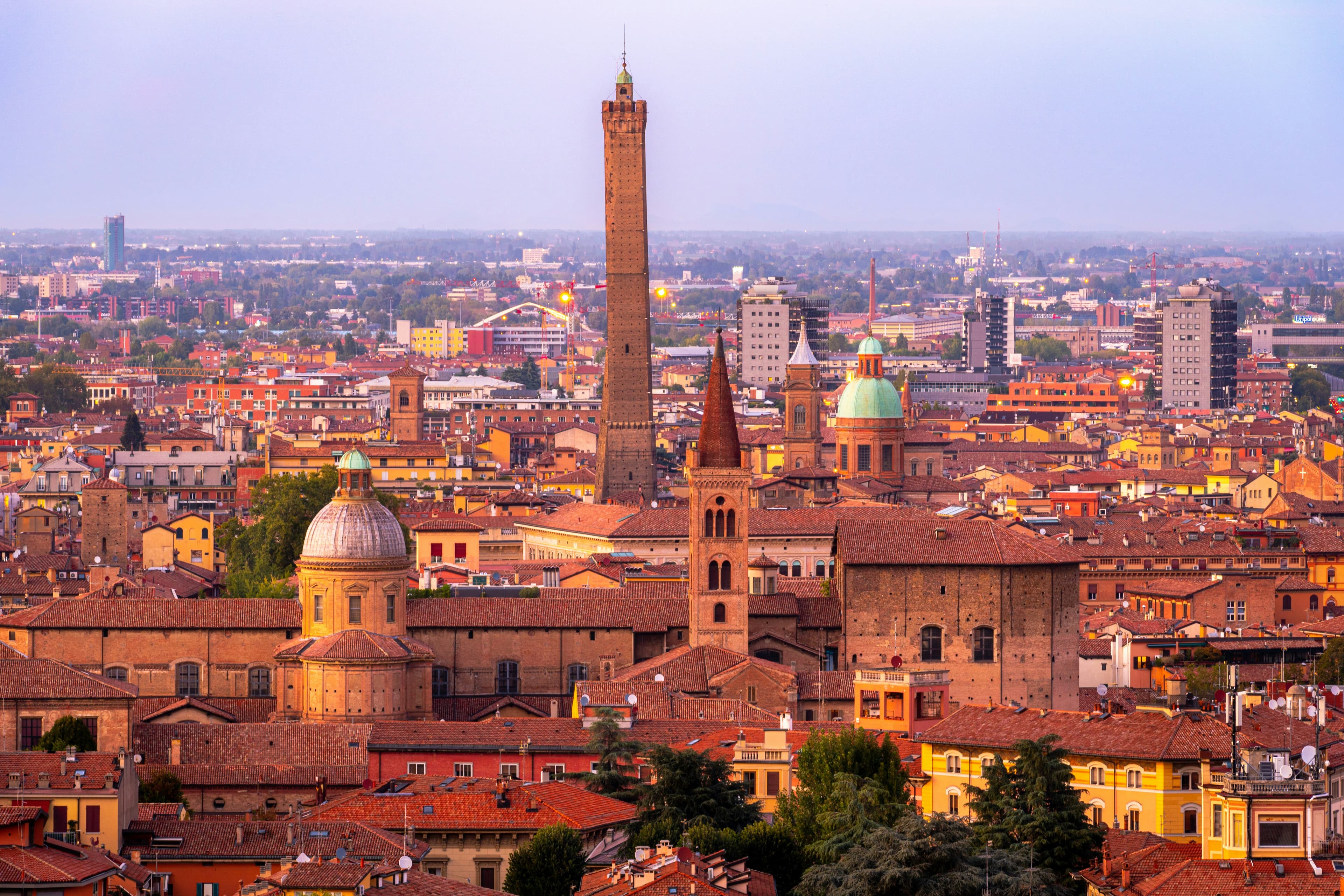
Bologna is called La Grassa (the Fat One) and is widely considered the food capital of Italy — not a title any other Italian city would concede without argument, but one that Bologna earns through the quality of its pasta making, its ragù (which has nothing to do with what the rest of the world calls Bolognese), its cured meats, and a concentration of serious trattorias per capita unmatched in Italy.
Eating in Bologna: The Local Rules
Spaghetti Bolognese does not exist in Bologna
Bologna serves ragù on fresh tagliatelle (egg pasta, hand-cut), never on spaghetti. The width of authentic tagliatelle is officially registered — it should be 8mm wide when cooked. Ordering spaghetti with ragù in Bologna will get you either a polite correction or a very resigned sigh.
Tortellini are served in broth, not cream sauce
Tortellini in Bologna are cooked and served in a rich capon broth (tortellini in brodo). The version with cream sauce was invented for export. In Bologna, cream sauce on tortellini is equivalent to pineapple on pizza — it exists, but no one will respect you for ordering it.
The Quadrilatero market is where you eat lunch
The four streets of the Quadrilatero market district (Via Drapperie, Via Pescherie Vecchie, Via Caprarie, Via degli Orefici) have been Bologna's food market since medieval times. The delis, cheese shops, and salumerie that line these streets sell the best mortadella, Parmigiano, and cured meats available. Eat lunch at one of the stalls.
Mortadella is not luncheon meat
Bologna is the birthplace of mortadella — the large spiced pork sausage that was exported, debased, and sold internationally as 'bologna.' The genuine product is completely different: finely ground pork with whole peppercorns and cubes of fat, an entirely different texture and flavour. Order it sliced thick at any salumeria in the Quadrilatero.
Where to Eat in Bologna, By Neighbourhood
The neighbourhood you eat in matters as much as the restaurant you choose. Here's where locals eat — and the specific restaurants we'd book.
Quadrilatero Market District
The four medieval streets at the centre of Bologna's food universe. Pescherie Vecchie (old fishmongers), Via Drapperie (cloth merchants, now delis), Via Caprarie (goat market, now cheese shops) — the street names record a commercial history that the current occupants continue. Eat here at lunch; shop here always.
Tamburini
The most famous deli in Bologna, operating since 1932. The mortadella is sold by weight, sliced to order, and eaten with tigelle or crescentine (small fried dough pockets). The tavola calda upstairs serves daily pasta — typically tagliatelle al ragù and tortellini in brodo — to a clientele of local shopkeepers and market workers who have been eating here for decades.
Pro tip: The mortadella is sold at the deli counter by weight — ask for 100g sliced thick and eat it standing up with a crescentina. This is the Bolognese lunch.
Osteria dell'Orsa
The most beloved student osteria in Bologna, operating at genuinely fair prices in a city that can be expensive. The ragù is made to the traditional recipe, the pasta is cut that morning, and the tortellini broth is real capon stock. Long communal tables, no reservations, always busy.
Pro tip: Arrive at 12:30pm for the best chance at a table without a long wait. The kitchen makes a fixed amount of ragù and tortellini in brodo daily — late arrivals sometimes find them finished.
Centro Storico (Piazza Maggiore area)
The medieval centre around Piazza Maggiore and the porticoed streets radiating from it. The historic restaurants and pastry shops of Bologna are concentrated here — some operating from the same premises for over a century. The porticoes (arcaded walkways) that cover 40km of Bolognese streets make this the most comfortable city centre in Italy to walk and eat in, regardless of weather.
Drogheria della Rosa
A converted pharmacy turned trattoria with a devoted local following. The menu is entirely handwritten and changes daily based on the market. This is not affectation — the kitchen genuinely cooks what's best that morning. The tagliatelle al ragù is always present and always exceptional. Book well ahead for dinner.
Pro tip: The kitchen here responds well to trust — tell them your preferences and let them design the meal. This approach yields better results than ordering from the menu.
Trattoria Anna Maria
The most traditional Bolognese trattoria still operating in the traditional manner: white tablecloths, family service, a wine list organised by local producers, and cooking unchanged since the 1940s. The lasagne verde (green pasta sheets with ragù, béchamel, and Parmigiano) is made to the authentic local recipe and is the best version we've encountered in Italy.
Pro tip: The cotoletta alla Bolognese (veal with ham, Parmigiano, and truffle — the original version of what became 'chicken parmesan') is the luxury order and worth it on a splurge visit.
Via del Pratello (Student District)
The most local and least tourist-facing street in Bologna's centre — a long strip of osterie, bars, and trattorias that serve the university population at student prices. This is where you find the most relaxed version of Bolognese food culture.
Trattoria da me
A warm, informal trattoria on the Pratello beloved by both students and established Bolognesi. The gramigna con salsiccia (short pasta with crumbled sausage and cream) is a purely Bolognese dish unavailable elsewhere and made perfectly here. The tigelle (small round flatbreads served with cured meats and soft cheeses) are the correct aperitivo.
Pro tip: Order a bottle of Pignoletto — the local white wine of the Bologna hills — rather than anything from outside the region. This is the wine Bolognesi drink with their food.
Must-Try Dishes in Bologna
The dishes that define this city's food identity — and where to find the best version of each.
Tagliatelle al Ragù
Fresh egg tagliatelle (8mm wide when cooked) with slow-braised beef ragù containing no minced meat, no garlic, and no herbs — only beef, pancetta, vegetables, tomato paste, wine, and milk. Cooked for minimum four hours. This is the authentic Bolognese. It looks nothing like what the rest of the world calls 'Bolognese.'
Osteria dell'Orsa or Trattoria Anna Maria — both make it correctly
Tortellini in Brodo
Small pasta parcels filled with a mixture of pork loin, prosciutto, mortadella, Parmigiano, and nutmeg — the filling is traditionally prepared days in advance to develop flavour — served in a clear capon broth. Never cream sauce.
Drogheria della Rosa or Trattoria Anna Maria — the broth is real capon stock
Mortadella
The genuine Bolognese pork sausage with whole black peppercorns and cubes of throat fat — completely different from the export version sold internationally. Best eaten thick-sliced at room temperature. Sometimes warm. The Quadrilatero delis serve it both ways.
Tamburini deli counter — sliced to order, eaten standing up
Crescentine con Salumi
Small fried dough pillows (also called tigelle in the Apennine tradition) split and filled with prosciutto, mortadella, squacquerone (fresh local cheese), or Parmigiano. The Bolognese aperitivo, better than any equivalent in Italy.
Tamburini or any trattoria that lists them as a starter
Lasagne Verde
Green pasta (spinach-dyed) sheets layered with Bolognese ragù, béchamel, and Parmigiano, baked until the top is golden. The authentic Bolognese version uses green pasta exclusively — the yellow pasta lasagne found elsewhere is not the local version.
Trattoria Anna Maria — the definitive version in the city
Best Markets in Bologna
Quadrilatero (Via Pescherie Vecchie)
Mon–Sat 7am–7pm (market hours vary by stall)
The greatest food market district in Northern Italy. Four medieval streets lined with salumerie, pescherie, cheesemongers, and pasta shops. Go to Atti for fresh pasta made that morning, to any salumeria for mortadella, and to the cheese shops for Parmigiano Reggiano aged on the premises.
Mercato delle Erbe
Mon–Sat 7am–2pm (covered section), evenings for bars
A covered market that transforms in the evening into a bar and street food venue. The market section is excellent for fresh produce, eggs from local farms, and seasonal mushrooms from the Apennines. Worth a morning visit and an aperitivo hour return.
The Food Tour We'd Actually Recommend
Bologna: Walking Food Tour with a Local Guide
From $93/person
Priced at $93 on GetYourGuide, this tour provides elite access to the Quadrilatero market’s best deli owners. Sample prime mortadella and aged Parmigiano before a sit-down ragù. It’s a premium, concentrated masterclass in why Bologna is considered the culinary capital of Italy.
Affiliate link — no extra cost to you
Tourist Traps to Avoid in Bologna
Any restaurant in Bologna serving 'spaghetti Bolognese' — there is no such dish. Walk out immediately.
The restaurants immediately adjacent to the Two Towers — tourist pricing for food that the surrounding neighbourhood would be embarrassed to serve.
Pre-packaged mortadella from supermarkets near the station. The product in the Quadrilatero delis is a different food.
Cream-sauced tortellini described as 'authentic' anywhere in Bologna. The kitchen knows it's wrong.